Nike's iconic swoosh logo and "Just Do It" tagline are universally known. Today, Nike's market cap soars over $200 billion, making it one of the most valuable brands in the world. Of course, Nike's enormous success can't be attributed only to its branding. It was mainly the founder's leadership, ingenuity, and constant effort to create better products.
In this article, I won't dive into their involvement in social issues from recent years. Instead, I'll discuss the foundational brand elements that helped Nike become the most powerful sports brand in the world.
A Name From Another Dimension
Nike was founded in 1964 by Bill Bowerman, a track and field coach at the University of Oregon, and his former student Phil Knight. The company was first called Blue Ribbon Sports. Still, Phil wanted to rebrand his company after breaking up with their Japanese shoemaker in 1971.
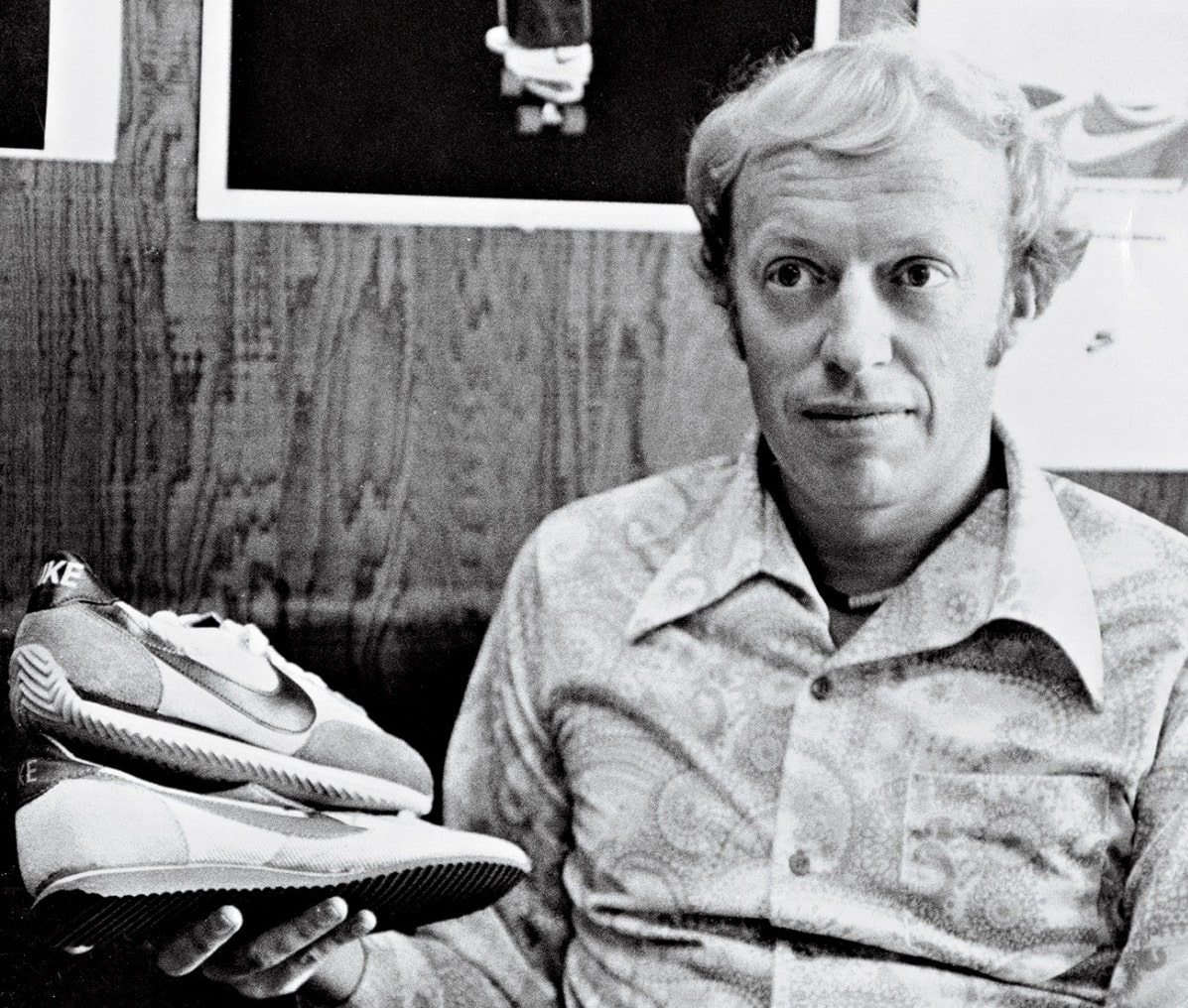
After some soul-searching, Phil wanted a name that made it clear to the world who they were and what they stood for. At first, the new name was going to be Dimension Six. Strangely enough, Jeff Johnson, the company's first employee, called the office on the day the patent was due and told Knight he'd seen the word "Nike" in a dream.
The word Nike is a reference to the Greek goddess of victory. Even though Phil and his team didn't go through a thoughtful naming process, the name is still strategic and represents the brand's competitive nature.
The Iconic "Swoosh"
-min.jpg)
During the rebranding period, Phil went to Portland State University and hired the first graphic arts student he could find. At first, Carolyn Davidson designed mockups of charts and graphs for presentations. Eventually, she got the job of creating the new logo.
Carolyn charged 35 dollars for the iconic "Swoosh" logo, worth 26 billion dollars today. Initially, Knight didn't love it, but he was sure it would grow on him. In 1980 Phil rewarded Carolyn 500 shares of Nike stocks – which she has never sold and are worth around 1 million dollars today. The idea behind the swoosh is a visual representation of motion and speed – evoking the image of a sprinter flying off the block.
Over time the logo has been mixed with different graphic treatments and fonts, but the swoosh has stayed the same for more than 50 years. It's simple, distinct, and appropriate for its target audience. In other words, timeless.
A Tagline With A Dark Source of Inspiration

"Just do it" must be one of the most famous and empowering taglines ever created. However, only a few know that a chilling story inspired it. In 1987 Nike hired Wieden+Kennedy, an advertising agency, to help them with their first major television campaign. In an interview for the documentary film "Art & Copy," Dan Wieden, founder of the agency, tells how he came up with the tagline. In the documentary, Wieden recalls that each of their commercial spots was made by different creative teams and were vastly different from each other. In reviewing the work the night before the client presentation, he felt he needed a tagline to give some unity to the project, one that spoke to the hardcore athletes and those taking morning walks. He suddenly remembered Gary Gilmore, a serial killer, who said "Let's do it" right before a firing squad executed him in 1977. Wieden was amazed by Gilmore's ability to push through that experience. He then changed "Let's do it" to "Just do it" because the former sounded like it included someone else, while the latter was like your conscience telling you something.
All things considered, "Just do it" is brilliant – simple, clear, concise, and above all, empowering.
The Hero in You
One of the key elements in effective branding is telling compelling stories that appeal to everyone worldwide. Nike gave a brilliant twist on the classic hero tale where they've replaced an external villain with an internal one. Nike shows the struggle that goes on in everyone's head, the battle between the fearful one and the one who wants to achieve greatness and self-expression. This constant internal battle brings the hero story down to a level that's personal and relatable. A story that says: be the hero, be faster, and defeat the voice slowing you down. They've put the hero and the villain right in our own heads – where the hero ultimately prevails.
Conclusion
As you can see, Nike's journey is remarkable and shows the impact that a brand strategy can have on a company's success. Thanks to the founders' leadership and ingenuity, they've created a timeless brand that continues to surpass its rivals and be the leader of its space. I recommend reading "Shoe Dog" by Phil Knight. It's an inspiring story full of business wisdom and great for anyone who's in the middle of building the brand of their dreams.